Knitting vs Crochet: Which Is Easier for Beginners?
I think it’s an age-old debate in the crafting world. Which is better, knitting or crochet? I’m going to look at it from a beginner’s point of view and discuss which one is easier to learn. Both are popular ways to create beautiful handmade projects with yarn, but they use different tools and techniques.
So, when it comes to knitting vs crochet, which one should you learn first? Let’s look at the differences, what makes each craft easier or harder to learn, and how to decide which one is right for you.
What is the Difference Between Knitting and Crochet
The biggest difference between knitting and crochet is how you create the stitches and the tools you use.
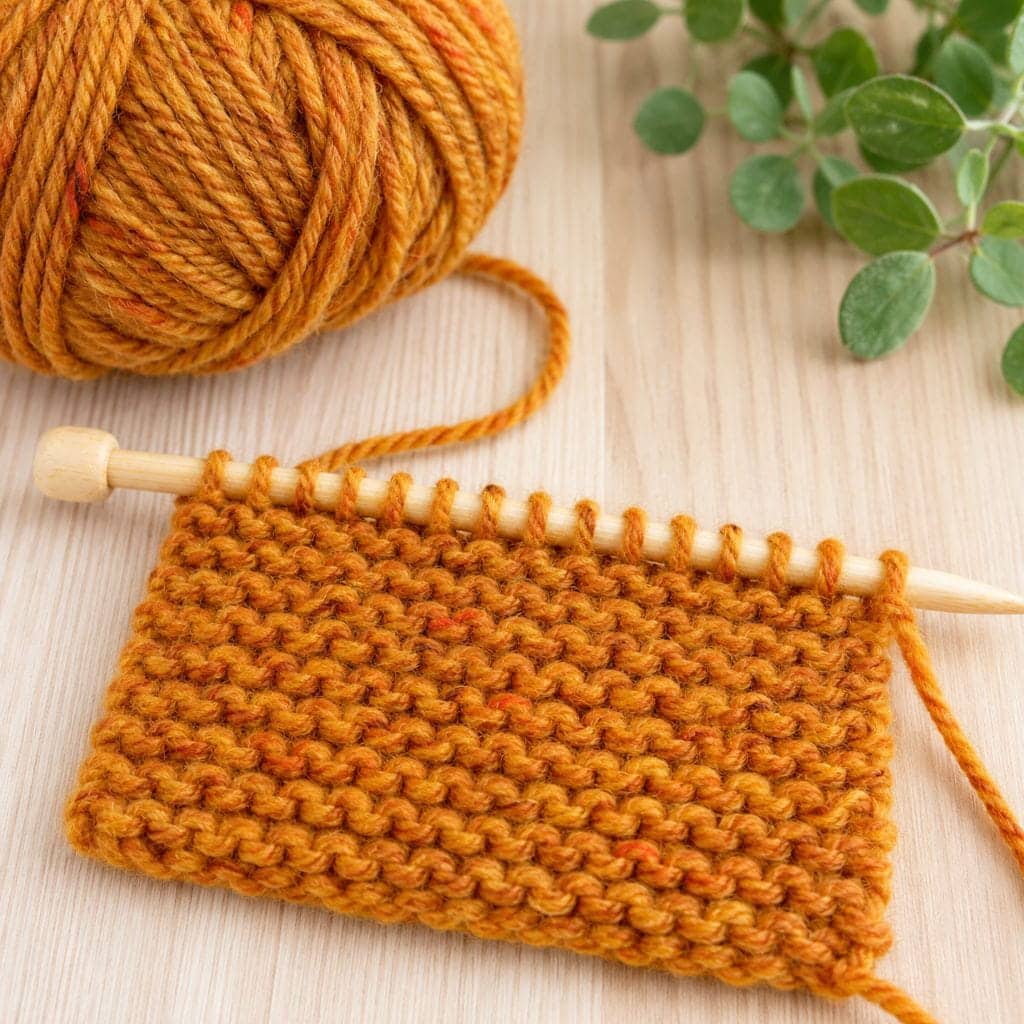
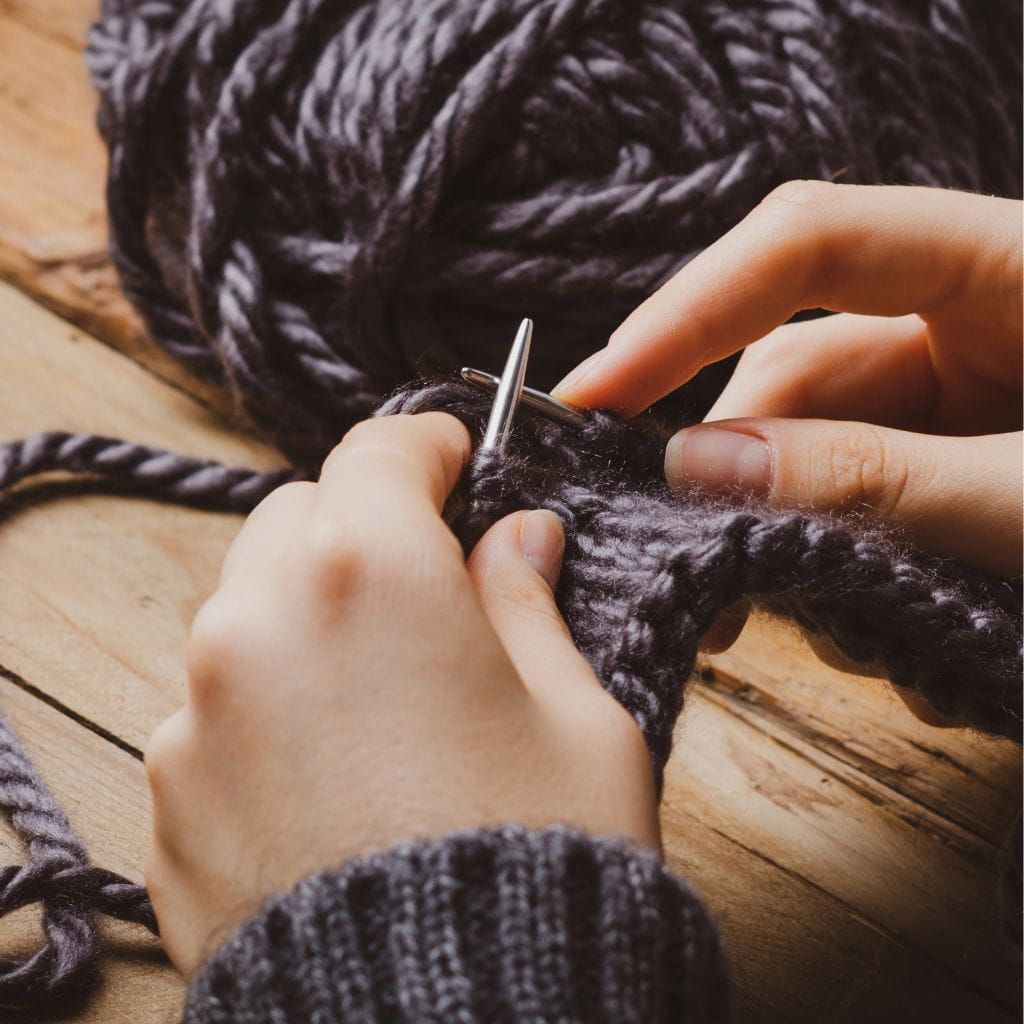
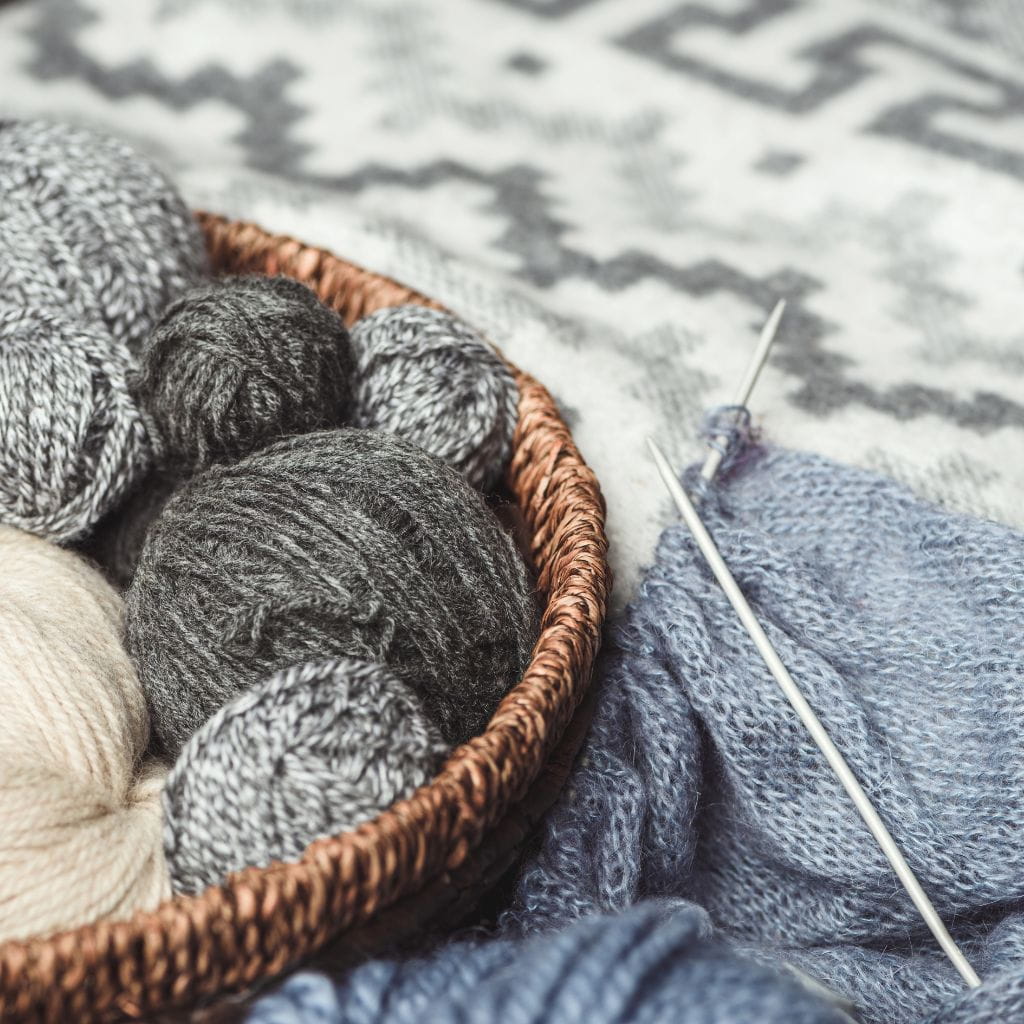
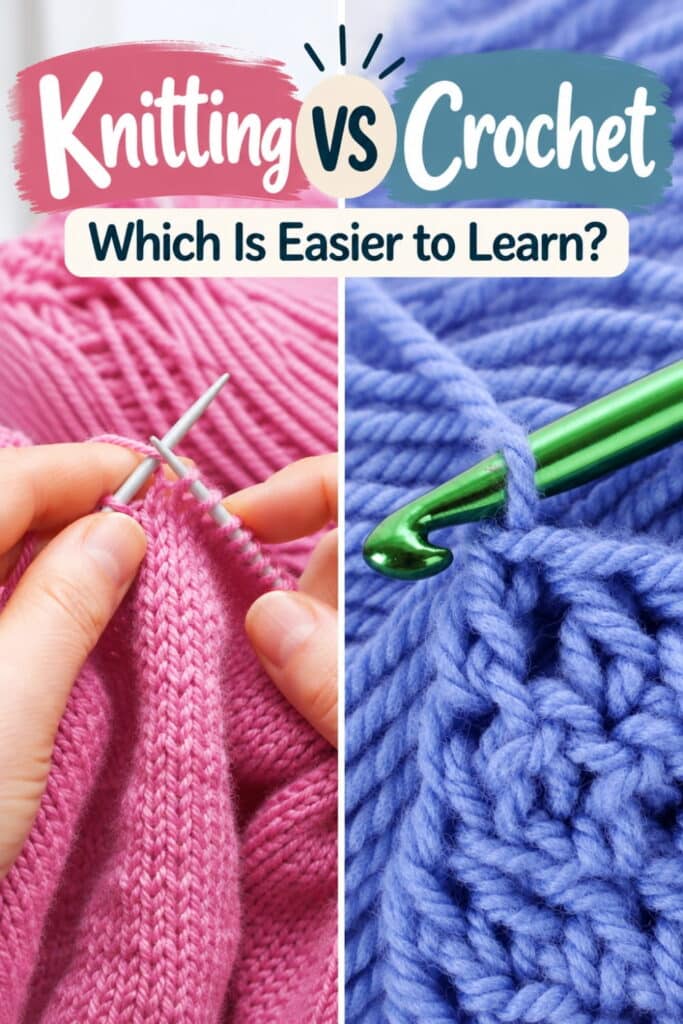
Knitting uses two needles to create loops of yarn that are worked together to form a fabric. Multiple stitches remain on the needles as you work across each row. Knitted fabric is generally softer and has more stretch, making it a popular choice for sweaters, scarves, socks, and other clothing.
Crochet uses a single hook to pull loops of yarn through other loops. Unlike knitting, you typically work with just one active loop at a time. Crochet stitches tend to create a thicker, more structured fabric, which works well for projects like blankets, baskets, bags, and stuffed animals.
Both crafts use yarn, and you can make many of the same projects with either technique. However, the finished results can look and feel quite different depending on whether you knit or crochet.
Is Knitting or Crochet Easier to Learn
Crochet is often considered easier for beginners because you use only one hook and usually have one active stitch at a time. This makes it easier to keep track of your stitches, and if you make a mistake, you can usually pull out a few stitches and redo them without much trouble.
Knitting can take a little more practice at first because you’re working with two needles and keeping multiple stitches on the needles at once. It can feel awkward until you get comfortable holding the needles and controlling the yarn.
However, that doesn’t necessarily mean crochet is easier for everyone. Some people find knitting’s repetitive movements more natural, while others prefer working with a crochet hook.
I personally think both crafts are fairly easy to learn if you start with the basics. You don’t need to master dozens of stitches or complicated techniques to make your first project. The best choice really comes down to which technique feels more comfortable and what you’d like to make.
Knitting vs Crochet: Key Differences
Tools and Supplies
Both knitting and crochet are relatively inexpensive hobbies to get started in. All you really need is some yarn and the appropriate tools.
For knitting, you’ll need a pair of knitting needles, while crochet requires just one crochet hook. Both come in different sizes and materials, so you can experiment to find what feels most comfortable.
One advantage of crochet is that a single hook is easier to carry around than a pair of knitting needles. But both crafts are portable, and you don’t need much space to work on your projects.
Speed
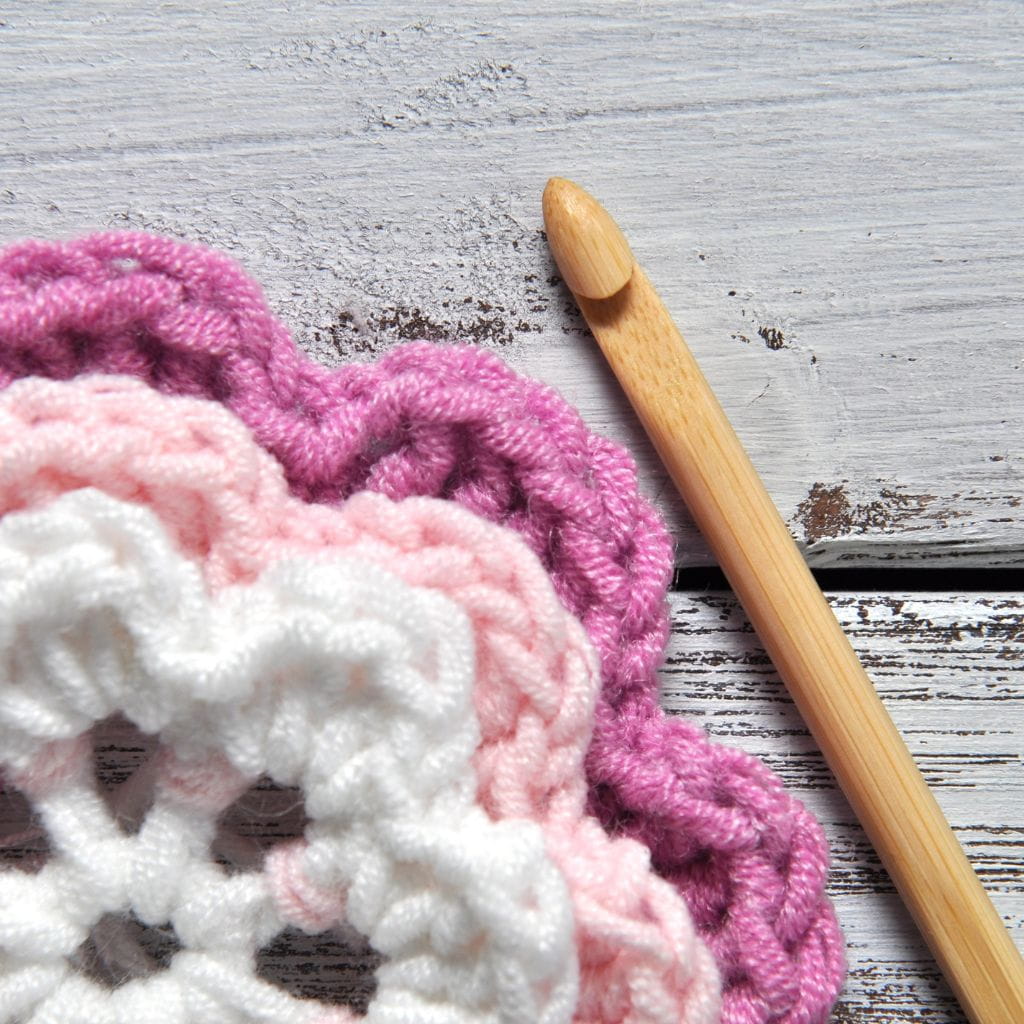
I’d say that when people are debating knitting and crochet, speed is probably the number one thing used to differentiate the crafts. Crochet is generally considered faster than knitting because crochet stitches are often taller and cover more area with each stitch. This means you can usually finish a crochet project more quickly than a similar knitted project.
For example, if you’re making a blanket, you may find that crocheting it takes less time than knitting one of the same size. However, the type of stitch, yarn, and your experience level can all affect how quickly you work.
Knitting tends to involve smaller, more repetitive movements, which can make projects take longer. But once you get into a rhythm, knitting can be surprisingly quick, especially with simple stitch patterns.
If finishing projects quickly is important to you, crochet may have an advantage. But speed isn’t everything, and both crafts can be enjoyable ways to relax and unwind.
Fixing Mistakes
Not that you want to think about mistakes when choosing a craft, but the reality is that when you start something new, mistakes are bound to happen. And that’s true even as you gain experience. Every time you learn a new stitch, or try a harder pattern, mistakes may happen.
One of the advantages of crochet is that mistakes are usually fairly easy to fix. Since you’re typically working with just one active loop, you can pull out your stitches until you reach the mistake and then start crocheting again.
Knitting is a little trickier because you can have dozens of stitches on your needles. That means that if you accidentally drop a stitch, it can unravel down several rows if you don’t catch it. Fixing mistakes may require picking up dropped stitches with a crochet hook or carefully undoing a few rows of knitting.
Both knitting and crochet have techniques for fixing mistakes, and you’ll get better at spotting and correcting them as you gain experience. So don’t let the fear of making mistakes keep you from trying either one.
How the Finished Fabric Looks and Feels
One of the biggest differences between knitting and crochet is the finished fabric’s appearance and texture.
Knitted fabric is generally softer, smoother, and stretchier than crocheted fabric. This makes knitting especially popular for clothing like sweaters, socks, and scarves, where you want the fabric to drape comfortably and move with your body.
Crocheted fabric is usually thicker and more textured, with more noticeable stitches. It usually has more structure, making it a good choice for projects like baskets, bags, and stuffed animals.
Of course, the type of yarn, stitch pattern, and hook or needle size can make a big difference. You can create lightweight, delicate crochet projects and thick, textured knitted fabrics, too.
Neither is necessarily better than the other. It really depends on the look and feel you want for your finished project.
What Can You Make With Knitting and Crochet
One of the nice things about knitting and crochet is that you can make many of the same projects with either craft. Scarves, blankets, hats, sweaters, and bags can all be knitted or crocheted.
However, some projects are particularly well suited to one technique over the other.
Knitting is a popular choice for:
- Sweaters and cardigans
- Socks
- Scarves and shawls
- Hats and mittens
- Lightweight blankets
Crochet is especially popular for:
- Amigurumi (small stuffed animals and toys)
- Granny square blankets
- Baskets and bags
- Coasters and dishcloths
- Decorative flowers and home accessories
These aren’t strict rules. You can crochet beautiful sweaters and knit adorable stuffed animals, too.
If you’re looking for ideas to get started, check out my articles on Easy Knitting Projects for Beginners and Easy Crochet Projects for Beginners. Both have plenty of simple projects you can try while learning your new craft.
Final Thoughts
When it comes to knitting vs crochet, there’s no clear winner for which one is easier to learn. Both are beginner-friendly crafts, and each has its own advantages.
My advice is to start with whichever craft interests you most. Choose a simple project, give yourself time to practice, and don’t worry about getting everything perfect right away.
And if you enjoy working with yarn, there’s no reason you can’t eventually learn both!
Follow me on Pinterest for fun and easy craft projects and ideas. What do you think about Knitting vs Crochet? Do you like one over the other? Please leave a comment and let me know.

- Knitting vs Crochet: Which Is Easier for Beginners? - October 23, 2026
- How to Start Knitting for Beginners: Easy Step by Step Guide - October 21, 2026
- 10 Easy Needle Felting Projects for Beginners - October 18, 2026