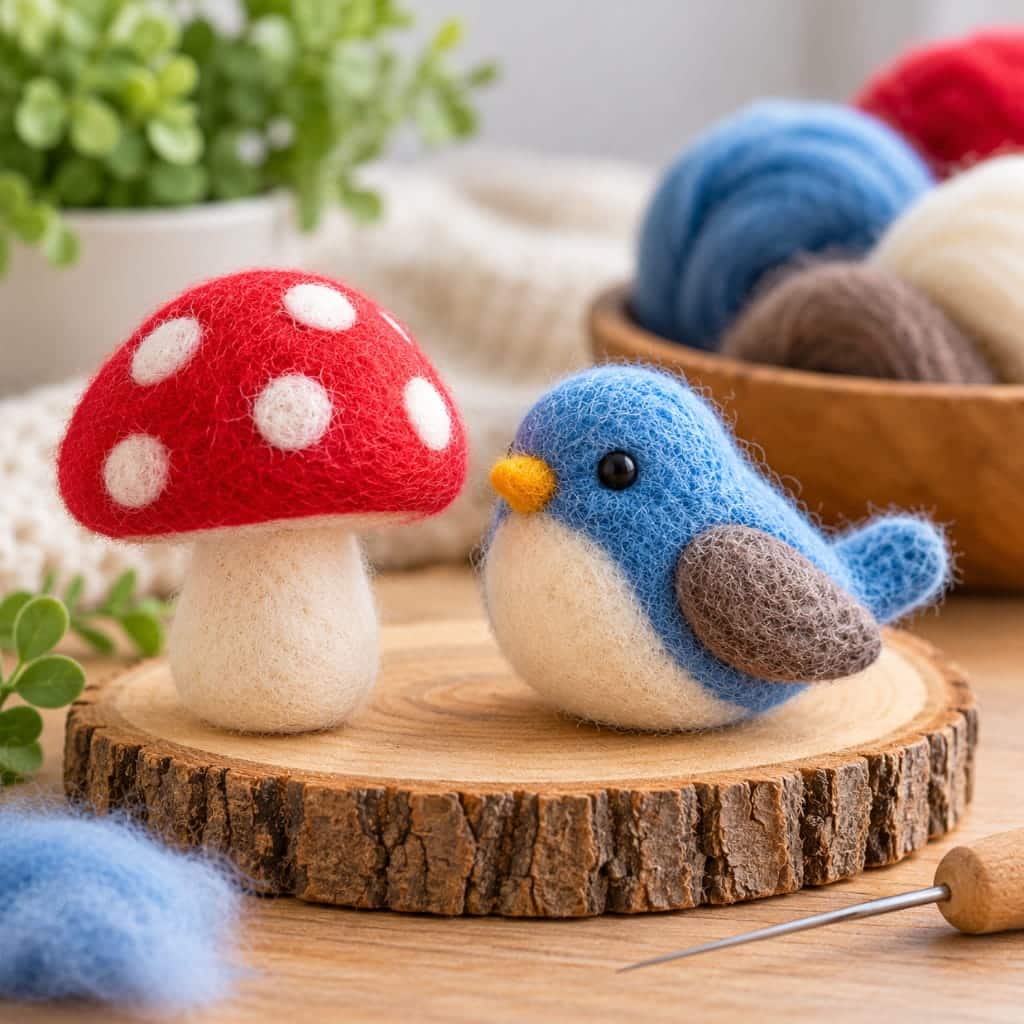
Felting for Beginners: Needle Felting vs Wet Felting
If you enjoy working with wool, then felting is another craft worth exploring. You can turn loose wool fibers into everything from colorful decorations and handmade accessories to beautiful artwork, all without using knitting needles or a crochet hook. This guide to felting for beginners covers the different felting techniques, the supplies you’ll need, and some fun project ideas to help you get started.
What is Felting
As a knitter, I was familiar with felting knitted projects, but I didn’t discover needle felting until I attended a fiber arts festival.
Felting turns wool fibers into a dense, sturdy material by locking the fibers together. Unlike knitting or crochet, which use yarn to create stitches, felting bonds wool fibers into a solid piece of fabric or a three-dimensional shape.
There are a few different ways of felting. You can felt something you’ve already knit or crocheted. Or, you can start with loose wool fibers to create something entirely new. That’s the type of felting for beginners that I’ll be talking about.
The two most common felting methods are wet felting and needle felting. Wet felting uses water, soap, and friction to bind the fibers together, while needle felting uses special barbed needles to tangle and shape the wool.
Have you ever thrown a sweater in the washing machine by mistake and it came out smaller and stiffer? That’s felting in action. The mixture of untreated wool, hot water, and the friction from the washing machine mats the wool fibers in the sweater together to make a fabric that is smaller and denser. Of course it’s a lot more fun when you do it on purpose to create something beautiful.
The fun part about felting is how versatile it is. You can make everything from simple wool balls and coasters to detailed animals, flowers, jewelry, and even pictures made entirely from wool.
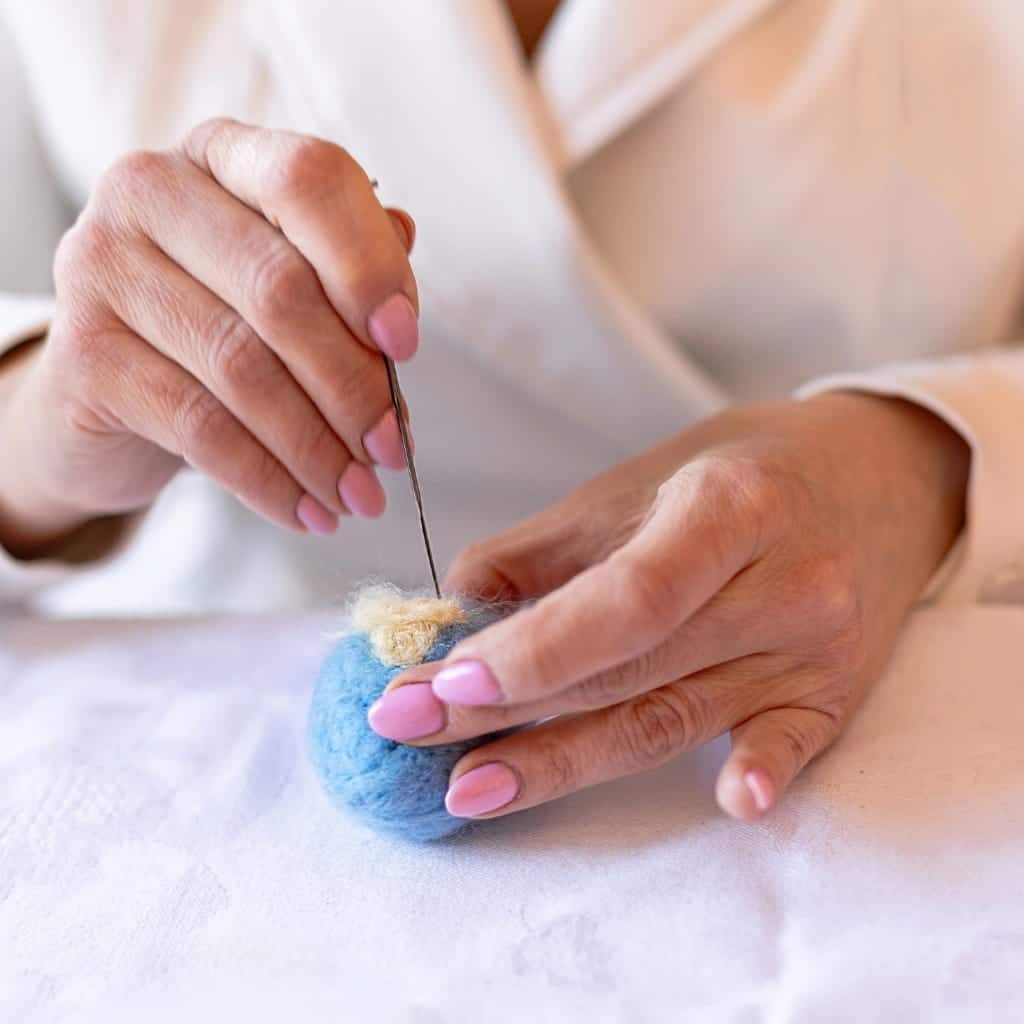
Understanding Needle Felting vs. Wet Felting
Needle felting and wet felting both use wool and wool fibers to create felt, but the processes are different. The supplies you’ll need and the projects you can make will vary depending on the method you choose.
Needle Felting
Needle felting uses special needles with tiny barbs along the shaft to catch and tangle wool fibers together. By repeatedly poking the wool with the needle, you can gradually shape it into almost anything you can imagine.
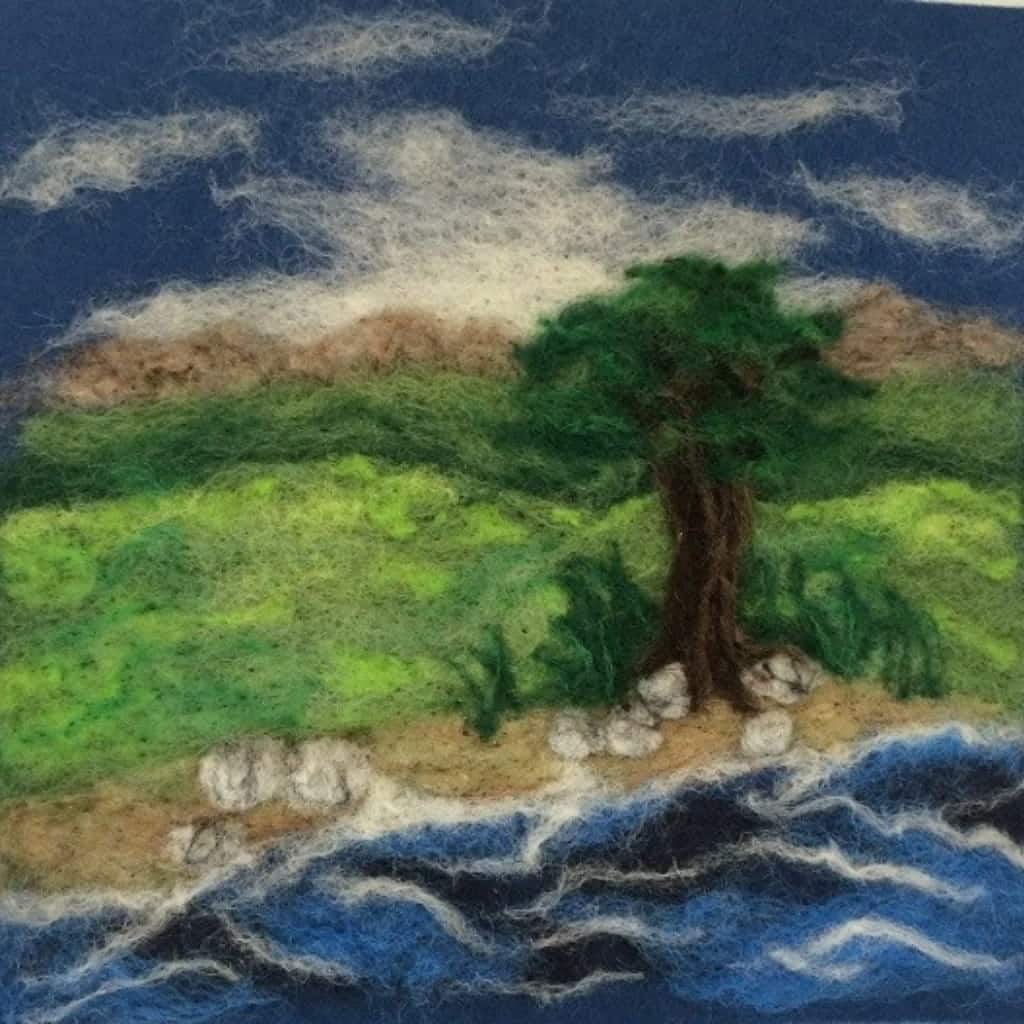
One thing I love about needle felting is that you can create both three-dimensional objects and flat artwork. Small animals, flowers, ornaments, and other decorations are popular projects, but you can also use wool to create pictures.
I first tried needle felting at a workshop I took at a fiber arts festival. I learned to make landscapes by layering wool onto a felt background. Creating landscapes like this is basically like painting, except you use wool instead of paint. I found the process relaxing and really enjoyed the creative freedom. I liked that I could add or remove wool as I worked until I was happy with the picture.
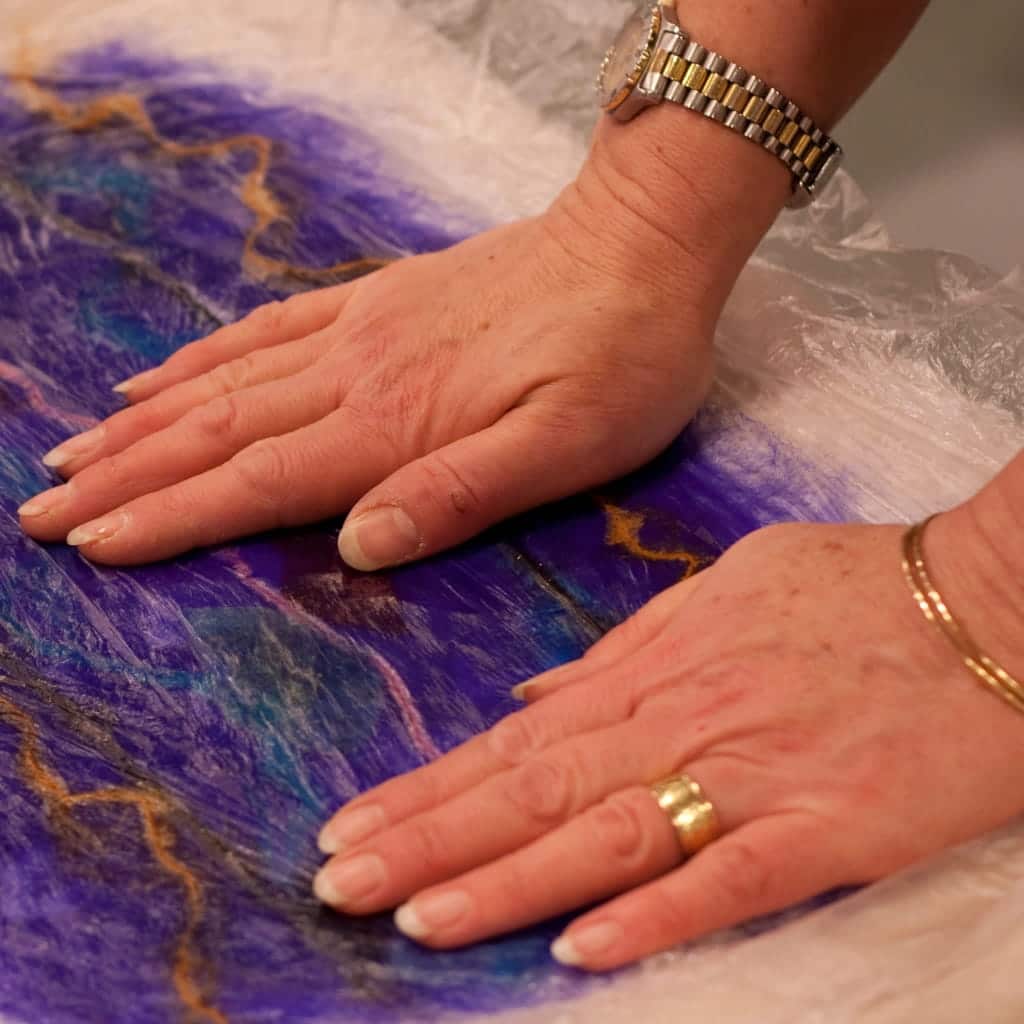
Wet Felting
Wet felting uses water, soap, and friction to make the wool fibers bond together. As you work the fibers, they gradually shrink and form a dense piece of felt.
You can use this technique to make flat pieces of fabric for projects like coasters, bags, and wall hangings, or shape the wool into three-dimensional items such as bowls, slippers, and hats.
If you’re a knitter or crocheter, you may already know a related technique called fulling. This involves washing and agitating a finished wool project so the stitches become less visible and the fabric shrinks and thickens. Most people still call this felting and don’t use the technical term of fulling, so don’t be confused if you see these types of projects pop up in the discussion of felting for beginners.
I’ve used the fulling method to make felted knit bags. It’s a fun way to turn a loosely knitted piece into something much sturdier, and you don’t have to worry as much about perfectly even stitches because felting helps hide small imperfections. That’s why I think it’s a good knitting project for beginners.
Choosing Needle Felting or Wet Felting
Now that you know a little bit about felting, you may be wondering if needle felting or wet felting is easier for beginners. Both are beginner-friendly crafts, so choosing where to start really depends on the types of projects you want to make.
Start with needle felting if you enjoy smaller and more detailed projects. With needle felting, you can make animals or ornaments for sculpted projects. Or, you can create decorative artwork. I like needle felting for beginners because you can work at your own pace, adding and shaping the wool until you’re happy with the results. It’s also a fairly portable craft that doesn’t require much space or cleanup.
Wet felting is a great option if you want to make fabric, accessories, or larger decorative pieces. It requires a little more setup and can get messy with the water and soap, but the basic technique is fairly easy to learn.
If you’re completely new to felting, I’d suggest starting with a small project using whichever technique interests you most. Both are fun to learn, and you may find that you enjoy working with each one for different reasons.
Easy Felting Projects for Beginners
There are so many fun things you can create with wool, even if you’ve never tried felting before. Here are a few beginner-friendly projects for inspiration.
Easy Needle Felting Projects
Needle felting is especially fun for making small decorations and 3D objects. You can start with simple shapes and work your way up to more detailed designs.
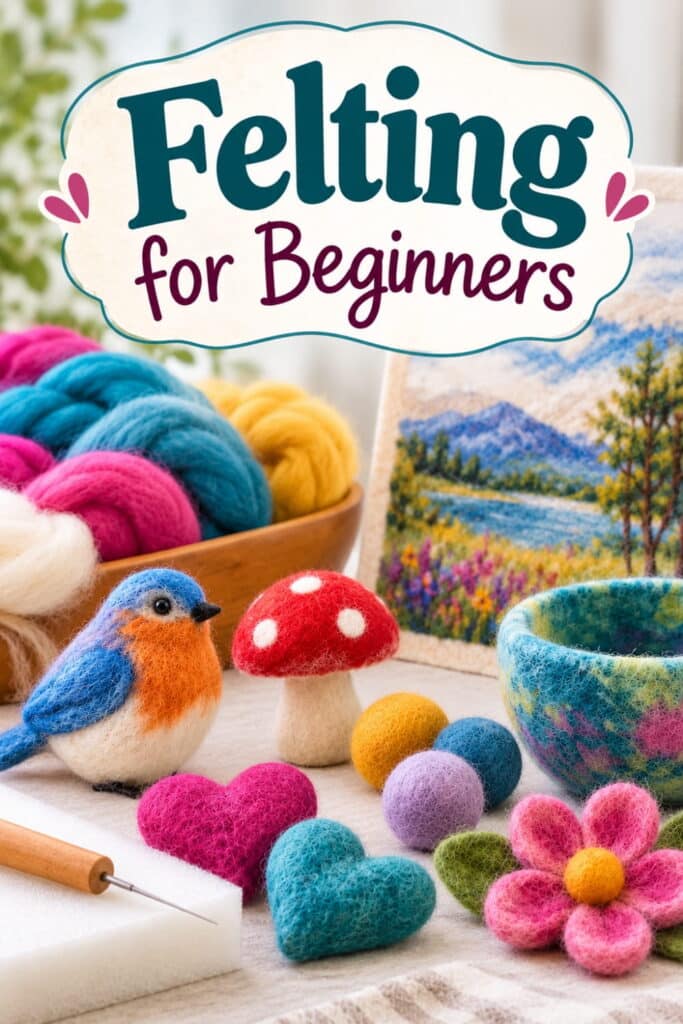
- Felted Hearts: A simple project for practicing how to shape wool with a felting needle. Make them in different colors for ornaments, decorations, or handmade gifts.
- Felted Animals: Small animals are among the most popular needle felting projects. Start with something simple, like a round bird or a basic sheep, before trying more detailed designs.
- Felted Mushrooms: These cute little decorations are a fun way to practice making and joining different shapes.
- Wool Paintings: Use different colors of wool to create landscapes, flowers, or other pictures on a felt background. This is one of my favorite ways to use needle felting. Use the finished pieces as gift cards or gift tags that recipients can frame.
Easy Wet Felting Projects
Wet felting is a great choice for creating colorful pieces used for both decorative and practical projects.
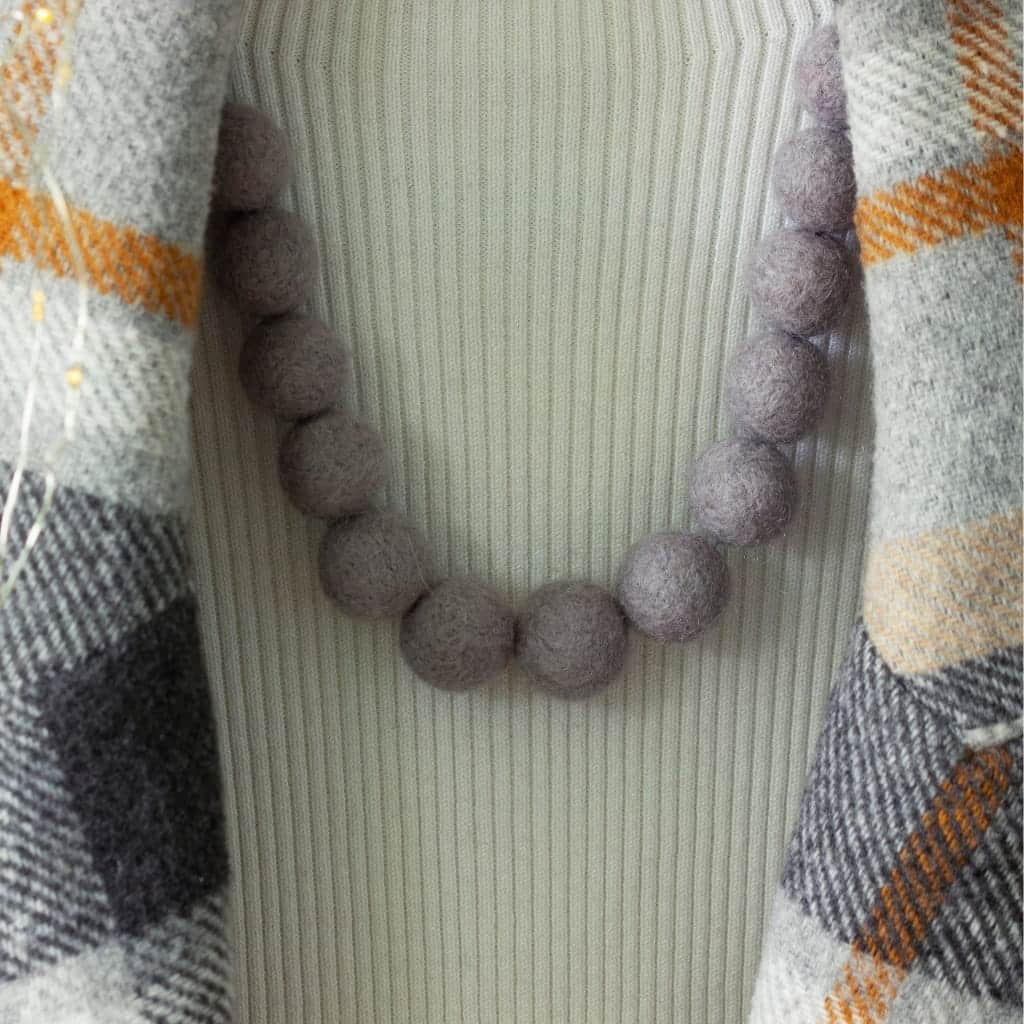
- Felted Wool Balls: One of the simplest wet felting projects. You can use the finished balls to make garlands, jewelry, or other decorations.
- Felted Coasters: A fun way to experiment with blending colors and creating flat pieces of felt.
- Felted Flowers: Make colorful flowers that can be used as embellishments for bags, hats, and other accessories.
- Felted Bowls: Small wool bowls are a great introduction to shaping felt into three-dimensional objects.
These are just a few of the possibilities. As you become more comfortable working with wool, you can experiment with different colors, textures, and techniques to create your own designs.
What Supplies Do You Need for Felting
One of the nice things about felting is that you don’t need a lot of expensive equipment to get started. The supplies you’ll need depend on whether you want to try needle felting or wet felting, but both techniques are relatively inexpensive to explore.
Needle Felting Supplies
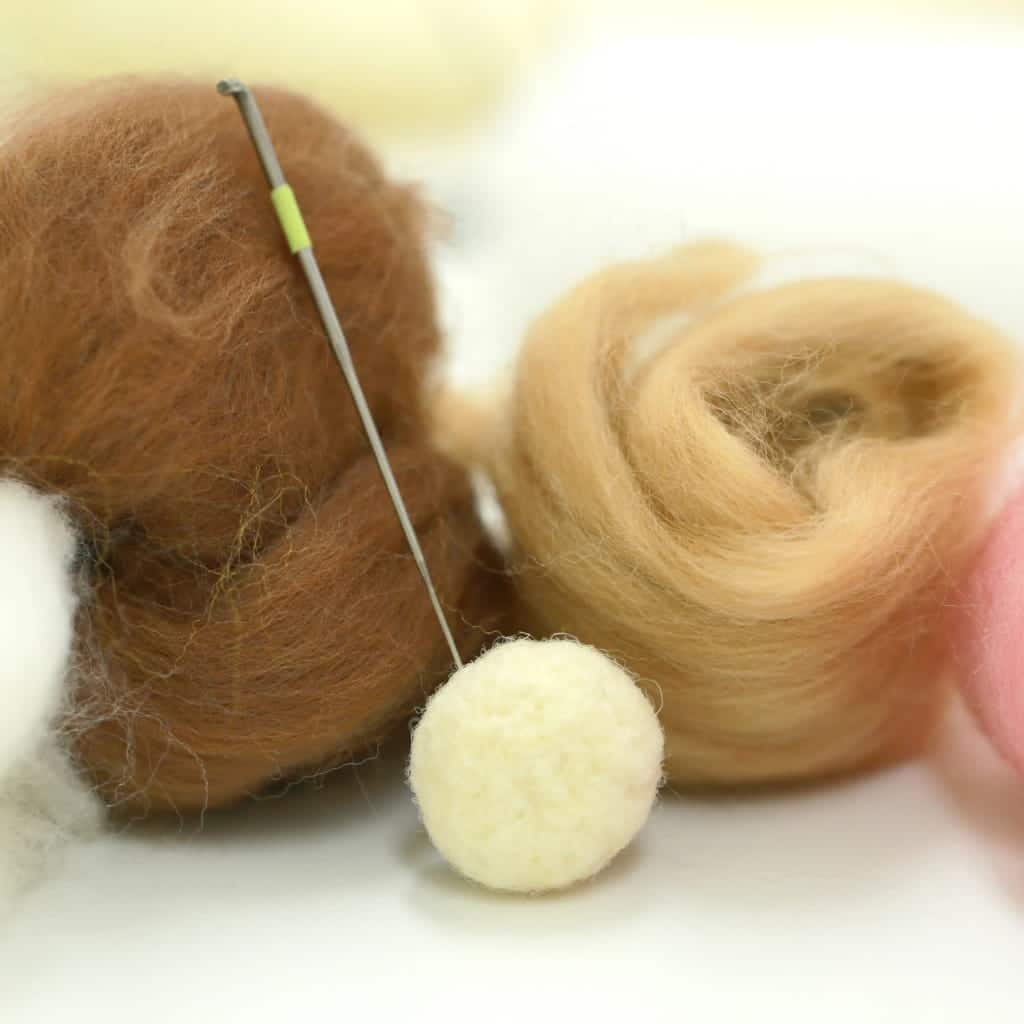
If you’re new to needle felting, a beginner kit is an easy way to get started. Most kits include the basic tools and materials you’ll need for your first project.
Here are the essentials:
- Wool roving or batting: The wool fibers you’ll use to create your projects. Wool comes in a wide variety of colors, so you can mix and blend shades as you work.
- Felting needles: Special needles with tiny barbs that catch and tangle the wool fibers. They come in different sizes for shaping and adding fine details.
- Felting mat or foam pad: A work surface that protects your table and gives the needle something to go into as you work.
- Finger guards: These help protect your fingers from accidental needle pokes, especially when you’re first learning.
You can also purchase individual supplies as you become more comfortable with needle felting and want to experiment with different projects.
Wet Felting Supplies
Wet felting requires a few different materials, and the supplies you need depend upon the type of project you’re making. So you may not need all of these supplies, and you may already have some at home.
- Wool roving or batting: Choose wool that’s suitable for wet felting, such as merino wool.
- Warm water: Helps the wool fibers move and mat together during the felting process.
- Soap: A small amount of mild soap helps lubricate the fibers so they can move against each other.
- Bubble wrap or a felting mat: Provides a textured surface that helps create friction as you work.
- Towels: Absorb excess water and keep your work area dry.
- A bowl or container: For holding your soapy water.
Frequently Asked Questions About Felting
Can You Use Any Type of Wool for Felting?
Not all wool is suitable for felting. Wool from sheep is the most common choice, but different breeds produce fibers with different felting properties. Merino wool is popular for wet felting, while coarser wools, such as Corriedale, are often easier to work with for needle felting.
For your first project, look for wool roving or batting that’s specifically recommended for the type of felting you want to try.
Can You Felt Acrylic Yarn?
No, acrylic yarn doesn’t felt the way natural wool does. Acrylic is made from synthetic fibers that don’t have the tiny scales found on wool fibers, which help them lock together during the felting process.
If you’re planning to felt a knitted or crocheted project, choose untreated wool rather than acrylic or superwash wool, which has been processed to resist felting.
How Long Does Felting Take?
That depends on the technique and the project you’re making. Small needle-felted shapes or simple wet-felted wool balls may take less than an hour, while larger or more detailed projects can take several hours.
As you gain experience, you’ll get a better feel for how much time different projects require.
Is Felting an Expensive Hobby?
Felting can be a relatively inexpensive craft to try, especially if you start with small projects. Needle felting requires a few basic supplies, and beginner kits often include everything you need to get started.
Wet felting can be even more affordable since you probably already have supplies like soap, towels, and bubble wrap at home. For bubble wrap, I always save some from packages I receive when ordering online. So if you already have these supplies on hand, then your only real expense for wet felting is the wool, and you can start small before investing in more.
Give Felting a Try
Now that you know a bit about felting, I hope you’ll give it a try. I think that needle felting and wet felting are great crafts for anyone to try, but they are especially beginner-friendly. Start small to see if you enjoy the craft. Whether you choose needle felting or wet felting, I hope that you enjoy the process and have fun felting your first creation.
Follow me on Pinterest for fun and easy craft projects and ideas. Which one of these felting for beginners techniques is your favorite? Please leave a comment and let me know.

- Knitting vs Crochet: Which Is Easier for Beginners? - October 23, 2026
- How to Start Knitting for Beginners: Easy Step by Step Guide - October 21, 2026
- 10 Easy Needle Felting Projects for Beginners - October 18, 2026